Price:
1x 20 minutes – €30
What is lymph and the lymphatic system?
Lymph is a yellowish, transparent fluid that flows through the body through the lymphatic system, or lymph nodes, much like blood flows through the circulatory system. However, lymph flows more slowly than blood, which is pumped by the heart. The speed at which lymph travels is entirely dependent on the movement of skeletal muscles.
Lymphatic system is specialized in removing waste products from tissues; it carries away, for example, pathogens (e.g. bacteria and viruses), foreign bodies (e.g. dust), proteins, fats and up to two liters of water per day. In the so-called lymph nodes, the lymph is filtered and harmful substances are removed from the body. If there is inflammation near the lymph node or lymph nodes, they can become swollen.
Lymph nodes are part of the lymphatic system – they are the fluid that flows through them and the tissue in which lymphocytes multiply and die. Lymph node inflammation can be a result of everyday infections or life-threatening diseases.
Lymphatic drainage
Lymphatic drainage accelerates the process of eliminating excess fluid from the body, in which waste, toxic substances and viruses accumulate. Well-drained or flowing lymph flow has a positive effect on the functioning of the immune system and reduces the risk of most diseases.
Arterial circulation enables the delivery of oxygenated and nutrient-rich blood to cells throughout the body, while lymphatic and venous circulation ensure the removal of fluids. When it comes to swelling, lymphatic circulation is most often impaired. Massage, which causes increased blood circulation and thus increased fluid intake, is not suitable in this case; lymphatic drainage is required.
Manual lymphatic drainage is used to treat the following indications:
Lymphedema treatment includes manual lymphatic drainage, compression bandages, skin care of the affected area, and therapeutic exercises. The goal of therapy is to reduce swelling and prevent possible complications. It is very important that the patient follows all instructions, as this will improve the effect of the treatment and prolong the period when they will not need therapy.
MECHANICAL LYMPHATIC DRAINAGE
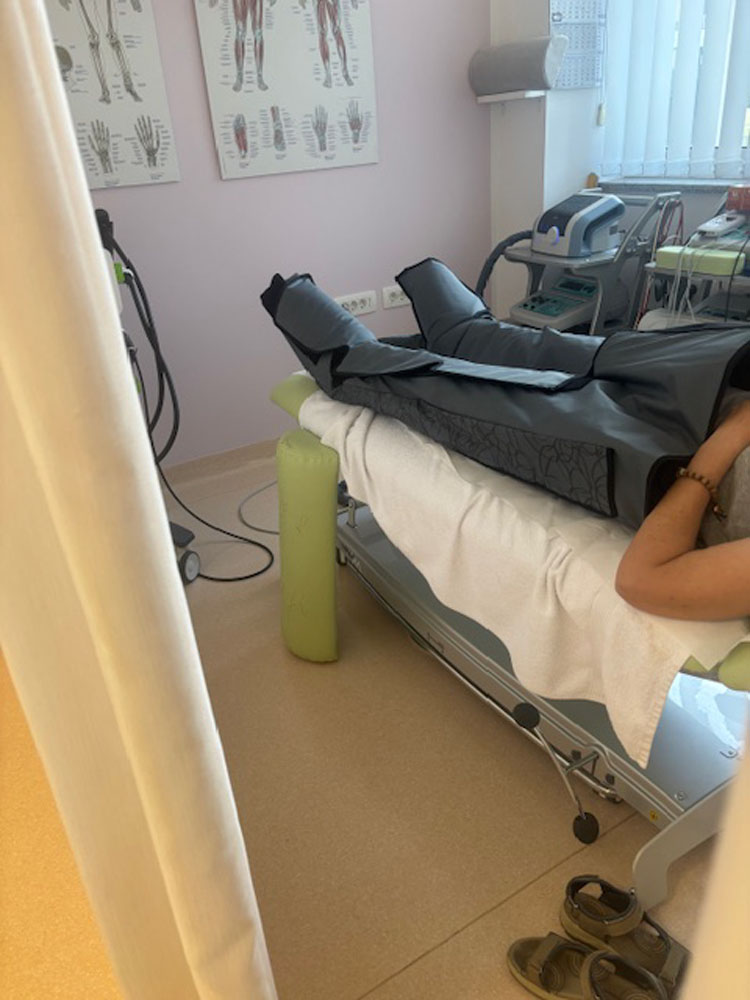
Pressotherapy, or mechanical lymphatic drainage, is a device that stimulates lymph circulation in the body, relieving pain and detoxifying the body. When our lymphatic system is functioning optimally, it transports lymph, a fluid that contains white blood cells that help fight infection. Lymphatic drainage also reduces the appearance of cellulite.
Machine lymphatic drainage uses air pressure to inflate a suit that gently squeezes parts of your body, such as your legs, arms, and abdomen, in rhythmic movements similar to a massage. Lymphatic drainage restores balance in your body, so it can help you feel better during weight loss, regeneration, and detoxification procedures.
The lymphatic system does not have a pump to push lymph and other waste products forward, as it only flows in one direction. Its function is stimulated by many different elements; internal stimulation, arterial pulse, peristalsis, movement and exercise.
It is mainly used for:
Contraindications for pressotherapy: