Price:
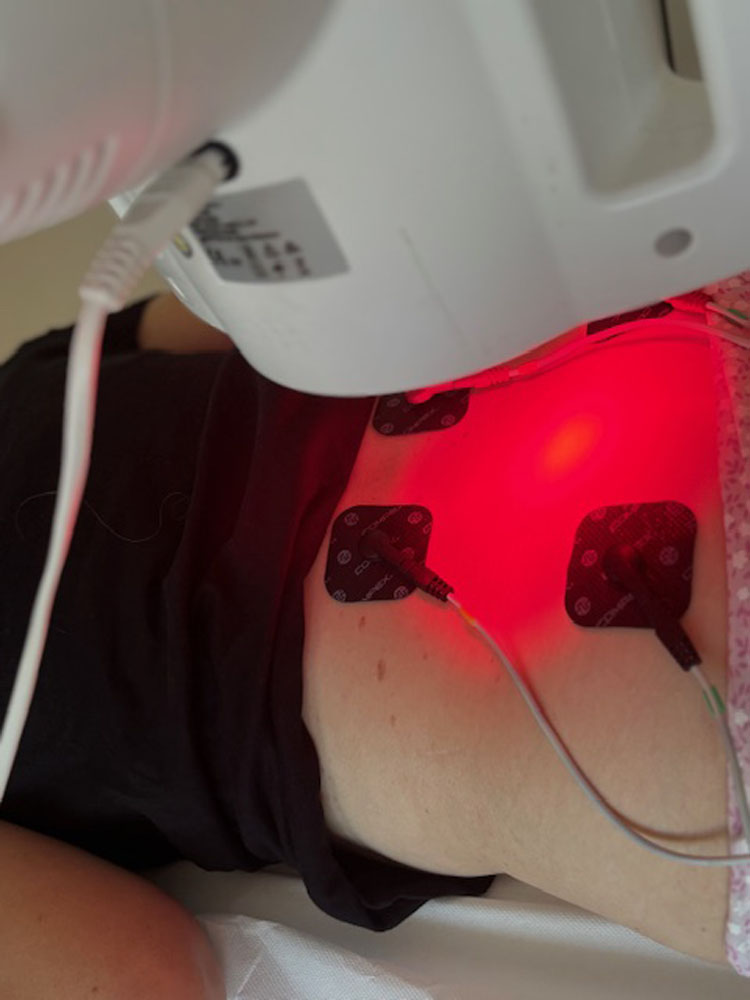
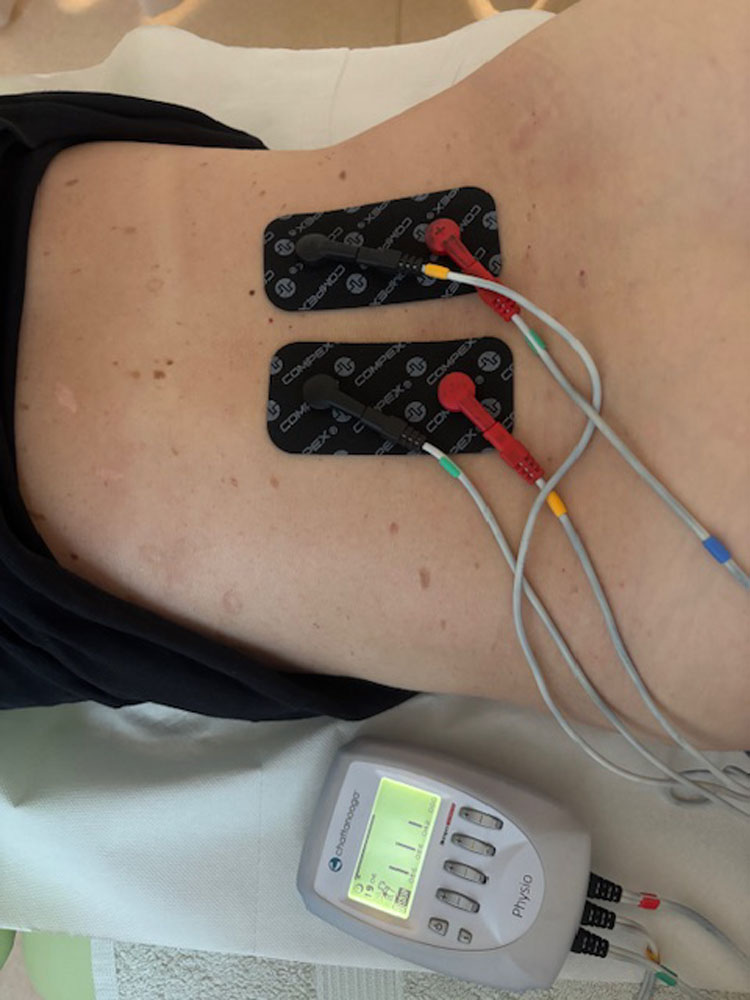
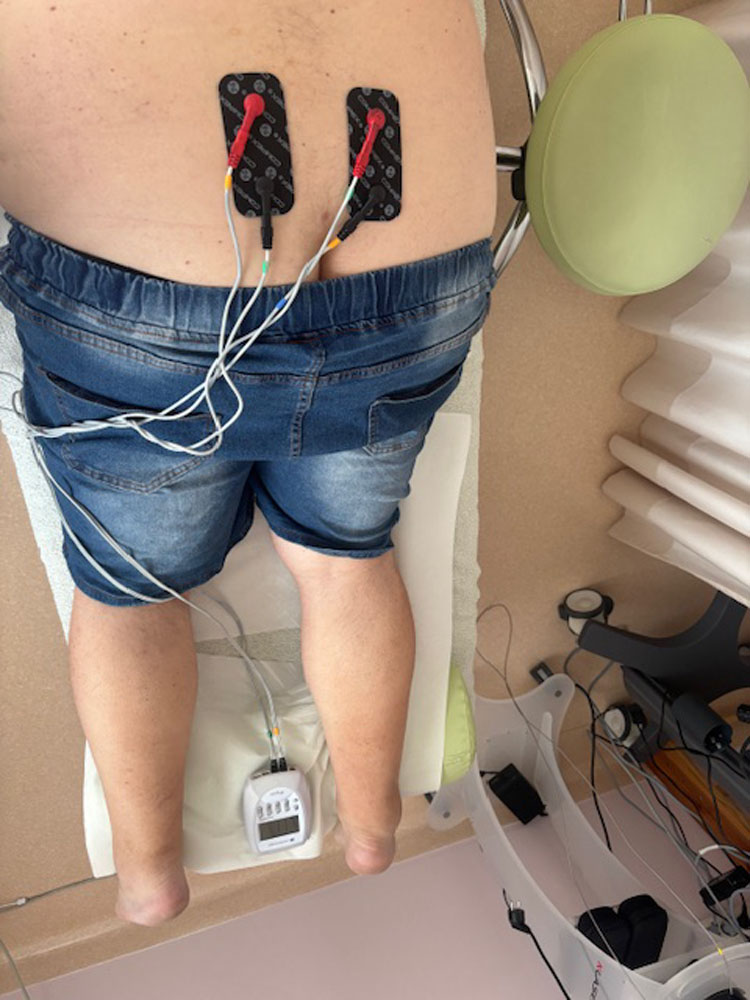
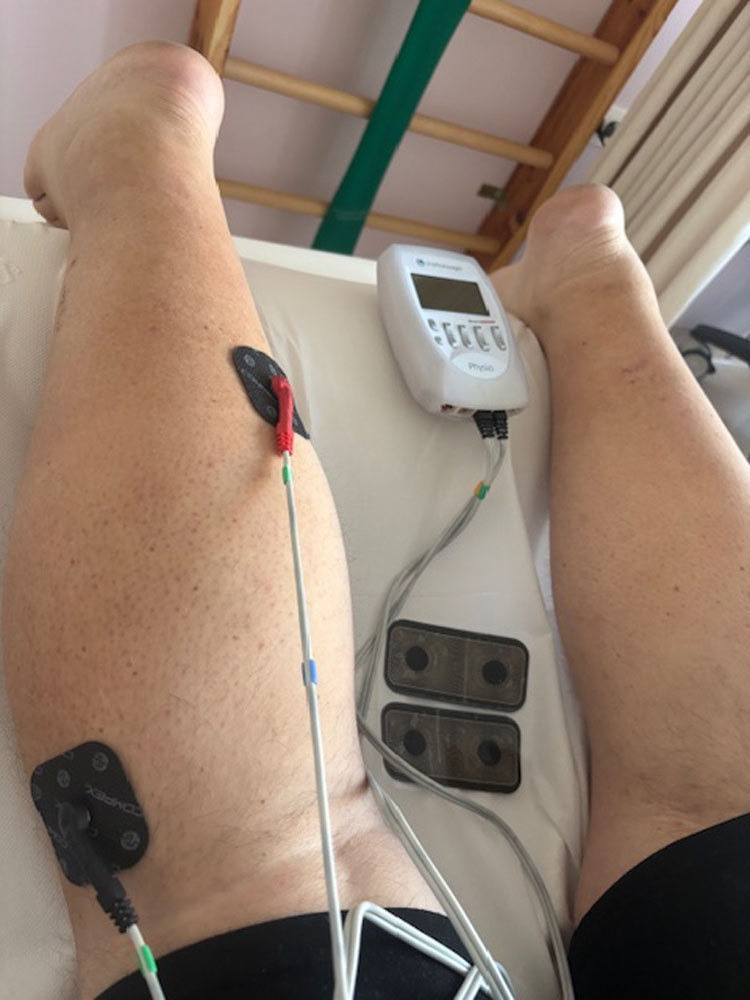
Electrotherapy (US, LASER, DDT, IFT, magnetotherapy)
Package 5x 20 min – €150
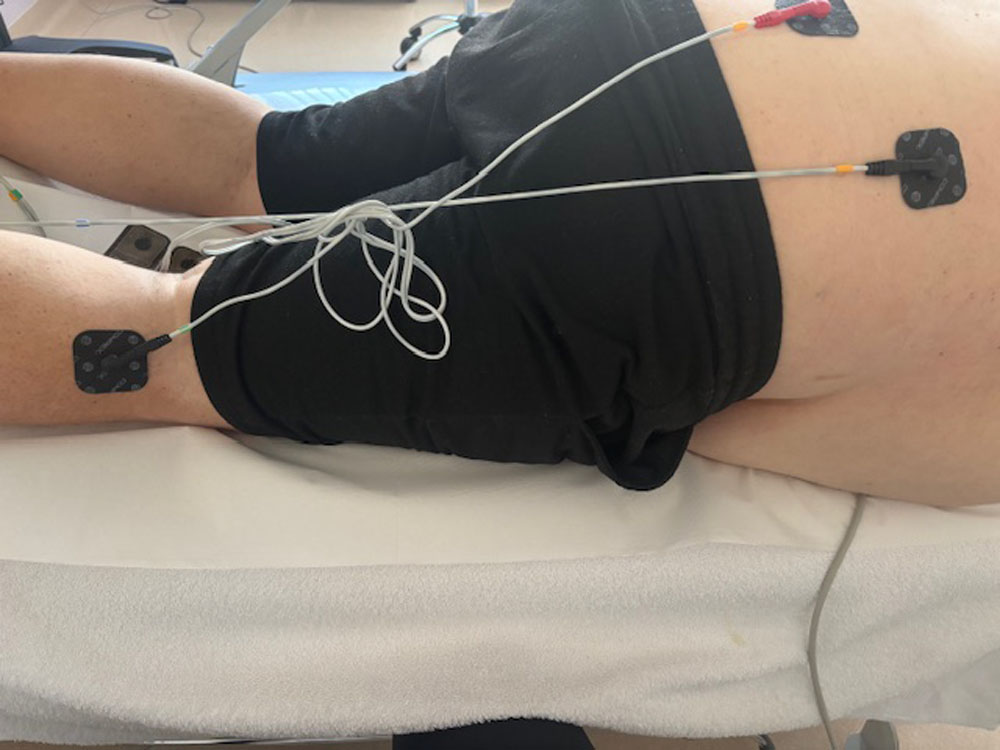
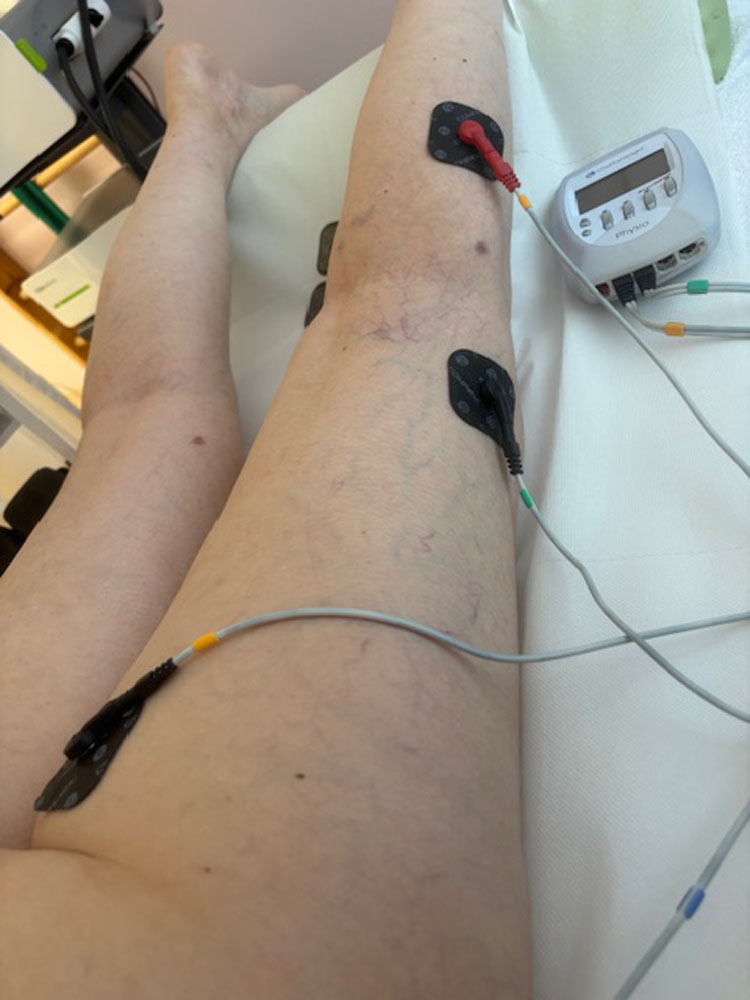
Electrotherapy is a type of physical procedure, that is, a therapeutic method that involves the direct use of electrical energy for treatment purposes, in which certain types of electrical impulses are used to improve circulation, nerve conduction, reduce pain, and strengthen atrophied or weakened muscles in order to correct certain deformities.
With a special device used for this purpose, we can adjust the frequency, direction and strength of the current, and with different combinations we can produce the desired effect or form of therapy. The most common types of electrotherapy are transcutaneous electrical nerve stimulation (TENS) and neuromuscular stimulation (electrostimulation).
TENS (transcutaneous electrical nerve stimulation) is a form of electrotherapy based on electroanalgesia. This therapy is performed with small single-channel or dual-channel devices, and the method is based on the stimulation of A-nerve fibers and the consequent inhibition of C-fibers, which are responsible for transmitting pain to higher levels of the nervous system. When using TENS, patients may feel a tingling sensation, but motor stimulation should be avoided. Tingling, pain and muscle contraction are signs of exceeding the intensity, which does not achieve the desired therapeutic effect.
Electrostimulation therapy is the process of using electrical impulses to cause muscle contraction. In this way, the contraction and work of individual muscles is stimulated, which leads to the strengthening of weakened and atrophied muscles. It is used after many injuries and immobilizations and often in pediatric orthopedics for many diseases with the aim of strengthening muscles and correcting deformities in the growth and development of the locomotor system.
IFT or interference currents
IFT or interference currents (are medium-frequency alternating currents, input values around 4000 Hz, which act deeper into the tissue, where interference is created. The interference current acts on motor nerves, their effect is mainly analgesic and anti-inflammatory and is of great help in healing bones after a fracture. They accelerate regenerative processes in damaged tissues and nerves. The electric current that travels between two electrodes triggers chemical reactions in the tissue, accelerates blood circulation, increases the local temperature of the treated tissue, which triggers self-regeneration processes and leads to a reduction in pain.
DDT or diadynamic currents (is low-frequency electrotherapy that acts on the autonomic nervous system with the aim of reducing muscle tension and stiffness, consequently reducing pain and swelling after injuries and postoperative conditions (increases blood circulation).
UZ- Therapeutic ultrasound is a type of therapy that works on the principle of mechanical and thermal tissue treatment and is very successful in the therapeutic treatment of many pathologies of the neuromuscular system. In physiotherapy, we use deep heating methods to achieve higher endogenous soft tissue temperatures, which accelerate the healing of microinjuries and local blood circulation.
In addition to the thermal effects of therapeutic ultrasound, it also has non-thermal healing effects by delivering additional energy to the body. The process is called cavitation and involves an increase in the volume of bubbles around the tissue to which therapeutic ultrasound is applied.
Ultrasound technology works with high-frequency sound waves that penetrate deep into tissue and activate cellular processes for the natural healing of damaged tissue.